Maybe a person could be right with God if they haven’t committed any big sins.
In this true story from the Gospel, we read about Jesus the Messiah speaking with religious people who thought they were better than others.
Some of these people were called Pharisees, very religious men who were leaders of the people. They did not think they were sinners. They looked down on people like tax collectors, who were corrupt and were considered traitors to their own people.
In those days, the holiest place to pray was the temple in Jerusalem (Al Quds).
Luke 18:9-14
⁹ To some who were confident of their own righteousness and looked down on everyone else, Jesus told this parable: ¹⁰ “Two men went up to the temple to pray, one a Pharisee and the other a tax collector. ¹¹ The Pharisee stood by himself and prayed: ‘God, I thank you that I am not like other people—robbers, evildoers, adulterers—or even like this tax collector. ¹² I fast twice a week and give a tenth of all I get.’
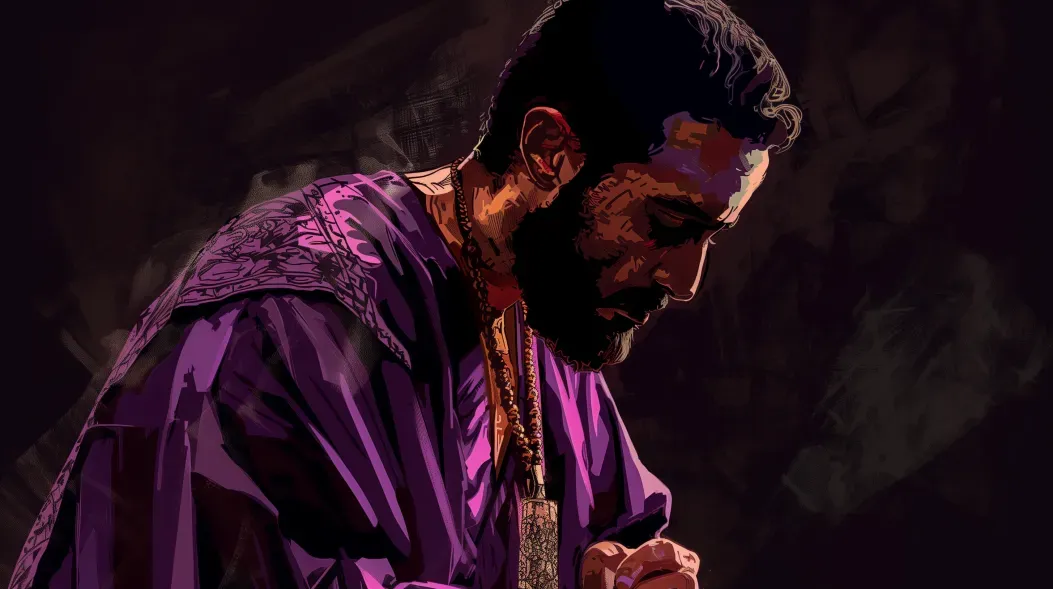
¹³ “But the tax collector stood at a distance. He would not even look up to heaven, but beat his breast and said, ‘God, have mercy on me, a sinner.’
¹⁴ “I tell you that this man, rather than the other, went home justified before God. For all those who exalt themselves will be humbled, and those who humble themselves will be exalted.”
Isn’t it surprising that that the tax collector, the sinner, is the one who goes home right before God? He is the one who God accepts.
The Pharisee is a very religious man. He has never committed any of the big sins like stealing or adultery (sex outside marriage). And he does good deeds, like fasting and giving charity.
The tax collector has committed big sins. In that time, tax collectors were corrupt. They took money from their own people to give to the Romans, who controlled the empire. And the tax collectors often took much more than they should for themselves. They feared no one because they had Roman power behind them. They were traitors to their people.
But Jesus the Messiah says it’s the tax collector not the religious man who God accepts. Why is that?
It’s because the tax collector is honest about his sin. He knows he does not deserve blessing from God, but he comes to God in humility, seeking forgiveness.
Jesus the Messiah is teaching that humility and honesty about our sin are a requirement for being right with God. Even if we haven’t done any of the big sins, our good deeds will not be enough to save us. We must humble ourselves and look to the Messiah for the forgiveness he brings.
Followers of the Messiah are confident that they are right with God. This is not because they do good deeds and no big sins, but because they confess their sins to God and trust in the Messiah to save them.